FEEDING A SPECIES APPROPRIATE DIET
|
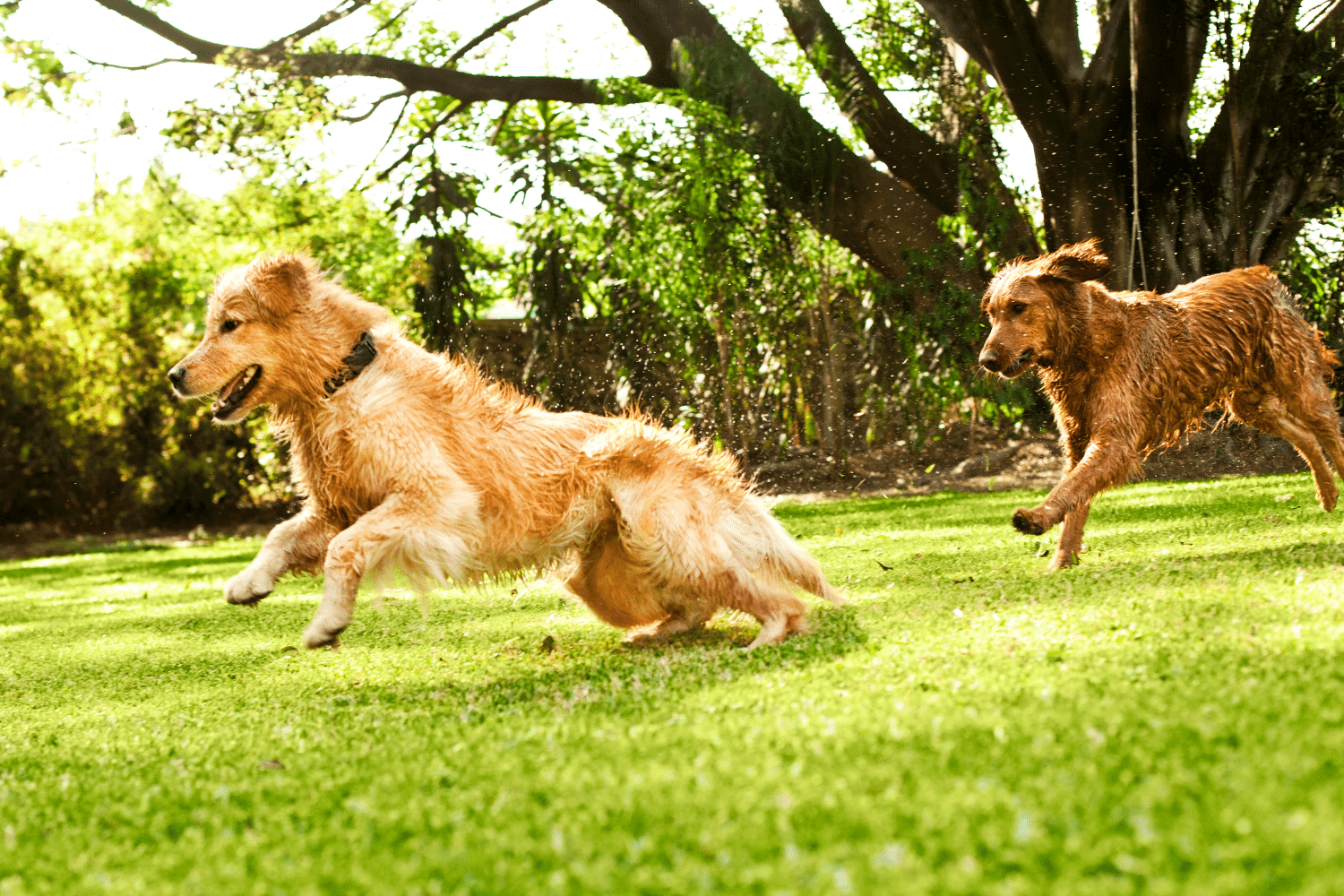
Catchy title that isn’t it – species appropriate diet? Just exactly what does it mean? Sounds as if it means people should eat people food and dogs should eat dog food. Now you're probably thinking ‘I know what people food is and dog food, that’s easy, you just buy that in the pet store or supermarket.’ What if I told you that I had manufactured a food that contained everything you needed to keep you healthy and all you had to do to prepare this wonder food would be to open a tin or packet and pour it out? You would think I was stupid and you would laugh at me. We all accept that for people to be truly healthy we have to eat a variety of fresh foods, foods that contain the nutrients we need in their natural, unprocessed form. Yet we are prepared to believe that dogs are different; dogs can eat processed food from a packet or tin and be supremely fit. Dogs can be healthy if all they ever eat is a manufactured mixture – or can they? Aren’t our dogs suffering from an epidemic of itchy, scratchy skin, cancers, colitis and tartar encrusted teeth to mention just a few disorders that were almost unheard of twenty or thirty years ago? Fertility levels in some dogs have decreased dramatically with more bitches not conceiving, or reabsorbing their pups or just having tiny litters. Is it not likely that there is a connection between our dogs’ deteriorating health and the way we feed them? Here in the UK it is only since the 70s that most people switched from feeding their dogs a largely home-made diet to feeding a dry, so called ‘complete’ food. Pet food manufacturers spend a lot of money, an awful lot of money, to convince you and me that their food is best for our dogs. They have a team of nutritionists to ensure that their food contains every possible vitamin and mineral dogs need and besides, as I was once patronisingly told by a vet., “It’s really difficult to make a dog a balanced home-made diet. Why bother when someone else has done all the hard work for you?” WHAT’S IN A NAME? Instead look at the words they use: derivatives and by-products. The dictionary definition of a derivative reads as follows, “based on or making use of other sources; not original or primary” in other words if the label reads meat derivative, it’s not meat but what’s left over after the meat is taken away, fat, gristle, bones etc. The dictionary definition of a by-product is “ a secondary or incidental product of a manufacturing process”. These definitions make interesting reading especially when you consider that most pet food manufacturers are part of massive multinational companies who are largely involved in producing food for you and me. Why waste the left-overs when you can re-process and re-package them as dog food? Visit the Animal Protection Institute of America’s web site (link is at the end of this article) to learn more about pet food ingredients. If you feed a lamb or chicken and rice complete food why does it bear no resemblance to a plate of lamb or chicken and rice that you cook yourself? If the manufacturer claims it doesn't contain any artificial preservatives, how come it doesn't go off? The plate of lamb and rice that you cook yourself would grow legs and go walkies all by itself if kept for a few days in your kitchen cupboard. This manufactured 'food' has spent time in transit, time in storage at the shop & factory and more time in your home and it never goes off. I could go on and on about the poor quality of manufactured pet foods, about how they contain inferior ingredients, preservatives and colourings. Those preservatives like BHA, BHT and ethoxyquin which have been implicated in a whole host of health and behavioural problems. Don’t take my word for it, just type those words into a search engine and take a look at one of the hundreds of sites that will enlighten and educate you. FRESH IS BEST Perhaps it would be best if I described what I feed my own dogs pictured above. I have two dogs, ranging in age from 1 to 4 years and I feed them twice a day. Breakfast varies but is usually a mixture of raw vegetables which have been pulped in a liquidiser or whizzed round in a food processor until they are as fine as grains of sand. Any vegetables or herbs are fine except onions which could cause problems but you should try to include green leafy vegetables as well as a root veggie like carrots most days. Now it depends on your dog’s taste buds whether he or she will eat vegetables on their own. My dogs like their veggies mixed with gravy or soup or fish or minced meat. You get the picture, variety is the spice of life and by using a variety of veggies you provide a variety of vitamins. You can also add nuts and seeds like sunflower or pumpkin to this mixture too. I sprout wheat grain and alfalfa seed for the dogs and put them into the food processor too. Two or three times a week I’ll add eggs, raw of course, to this mixture. A couple of important points here. Firstly vegetables prepared like this will oxidise and lose their health giving properties quickly so only prepare them just before you feed them or when time is short, as it is for most of us, prepare the vegetables and freeze them in portions. Why bother preparing them like this, why not give chunks of vegetable or grate the veggies instead? The reason lies with the short digestive tract of the dog which is incapable of breaking down the cellulose wall of vegetables and getting the health giving properties in the short time that they’re in the dog’s stomach. So how does this square up with a species appropriate diet? No food processors in the wild after all! That’s true but dogs have the same digestive system as their cousin the wolf and when a wolf kills a rabbit and eats the contents of their stomach, the grass or whatever will be all chopped up by the rabbit’s teeth and easily digested. The same line of thinking tells you that wolves do not barbeque their prey so feed raw food for preference. The dog’s short digestive tract is also the reason that they can eat things that would make you and me very sick. Dogs will eat faeces after all, their own and other dogs, bunny balls, meadow muffins, cat caviar – you name it and dogs will eat it. This is an animal which licks its own and other dogs’ backsides so a few bacteria in raw meat are not going to do it any harm. I needed to explain that before I tell you what my dogs get for their evening meal. The evening meal is usually raw chicken wings or chicken carcasses or chicken backs. Maybe some breast of lamb or some other meat. Once or twice a week they’ll get some offal, liver, kidney whatever. They also get raw meaty bones of whatever type I can get from my butcher. But the important thing is that all of this food is raw, uncooked and therefore highly nutritious. A dog weighing about 50lbs will need about three or four chicken wings, maybe more (depending on the size of the chicken and whether it's a 2 or 3 jointed wing) and perhaps some other meaty bone daily along with the veggie meal to keep fit and healthy. A larger dog, like a GSD, will need a whole chicken carcass with his meaty bone or perhaps seven or eight chicken wings. This is just to give you a rough idea of quantities for your own dogs. And in case you’re wondering I spend about £4.00 (US$6) a week on their food - that’s for TWO dogs, not each. BONES
I can hear someone saying, “Surely bones splinter, perforate stomachs and are dangerous.” Yes is the answer to that but ONLY if they are cooked, not if the bones are raw. Choose softer bones from young animals like lamb, veal or chicken if you’re at all worried. Raw chicken carcasses are so soft I can break them with my bare hands. TIME IS SHORT SUPPLEMENTS WHAT’S MISSING? I have also removed milk and dairy products from their diet because dogs don’t need them and anyway these tend to encourage the stomach to produce lots of mucus, and mucus is a breeding ground for worms and may promote the onset of problems like colitis. I would feel differently if I could buy raw, unpasteurised milk because that would be a natural, complete food but that isn't usually available to me. Artificial preservatives and colourings are also missing from my dogs’ diet. Things they don’t need like BHA, BHT, ethoxyquin and tartrazine. These are known to cause a whole load of health problems and even behaviour changes in people as well as dogs. If you are persuaded to feed your dog a diet that doesn’t come out of a tin or packet you should read more about nutrition than I can put into this short article. WHY RAW? BOOKS “What's to be done? Simple, give our cats and dogs their basic rights of a healthy functioning mouth. Supply raw chicken wings, chicken necks or ox tail to young/small kittens and puppies when they most want to chew and explore. Help them to control their two bouts of physiological gingivitis before it becomes pathological. Older larger dogs need raw bones and cats need raw meat on the bone”. Visit the Animal Protection Institute to learn more about what goes into commercial pet food. © 2006 Frances Gavin |
Accessories Mobility Itchy Dog
Books DVDs Phytopet Missing Link
Shampoo
Colloidal Silver
Dog Treats
World Herbs Salmon
Oil
Dog
Beds Articles
Questionnaire
Comments
FAQs